


How to Land a Job as a Mortgage Broker: A Step-by-Step Guide
The mortgage industry offers an exciting career path for those who enjoy sales, finance, and helping people achieve their dream of homeownership. As a mortgage broker, you act as the intermediary between lenders and borrowers, facilitating the home loan process. If you’re interested in breaking into this field, here’s a step-by-step guide to help you land a job as a mortgage broker.

- Understand the Role of a Mortgage Broker
Before diving into the process, it’s important to understand what a mortgage broker does. Mortgage brokers work with clients to determine their borrowing needs, connect them with suitable lenders, and guide them through the loan application process. This role requires strong interpersonal skills, financial knowledge, and the ability to navigate complex paperwork.
- Meet Educational Requirements
While a formal degree is not always required, having a background in finance, business, economics, or real estate can be an advantage. Many mortgage brokers start with a high school diploma and gain relevant experience or certifications along the way. Some states may have specific education requirements, so research what’s required in your area.
- Obtain Necessary Licensing
To work as a mortgage broker, you’ll need to meet licensing requirements, which often include completing pre-licensing education, passing an exam, and registering with a regulatory authority. In the U.S., this typically involves:
- Completing a 20-hour pre-licensing course approved by the Nationwide Multistate Licensing System (NMLS).
- Passing the SAFE Mortgage Loan Originator Test, which includes a national component and covers federal mortgage law, ethics, & loan originator activities.
- Completing a background check and credit check.
- Make sure to stay updated on your local licensing requirements, as they can vary by region.
- Build Relevant Skills
To succeed in the mortgage industry, you’ll need strong skills in communication, negotiation, and problem-solving. Additionally, financial literacy and familiarity with mortgage products, loan processing, and compliance regulations are essential.
If you’re new to the field, consider taking online courses or attending workshops to build these skills.
- Gain Industry Experience
Having some experience in sales, banking, or real estate can help you transition into a mortgage broker role. Start by working as a loan officer, loan processor, or underwriter to gain firsthand knowledge of the mortgage process. Internships or entry-level positions at mortgage companies or banks can also provide valuable insights and connections.
- Network Within the Industry
Networking is key to finding opportunities in the mortgage field. Attend industry events, join mortgage broker associations, and connect with professionals on LinkedIn. Building relationships with established brokers and lenders can open doors to job opportunities and mentorship.
- Apply for Jobs at Mortgage Brokerages
Once you’ve gained the necessary qualifications and experience, start applying for positions at mortgage brokerages or financial institutions. Tailor your resume to highlight relevant skills, certifications, and achievements. Don’t forget to prepare a compelling cover letter that explains your interest in the industry and how you can contribute to their team.
Consider Becoming an Independent Broker
If you prefer working independently, you can establish your own brokerage business. This option requires additional steps, such as obtaining a business license, registering your brokerage, and building a network of lenders. While this path can be challenging, it offers more flexibility and earning potential in the long run.
- Stay Informed and Continue Learning
The mortgage industry is constantly evolving, with changes in regulations, technology, and market trends. Stay informed by attending industry seminars, earning advanced certifications, and reading mortgage news. Continuing education is often a requirement to maintain your license, so use it as an opportunity to sharpen your skills.
- Develop a Strong Online Presence
In today’s digital age, having an online presence is crucial. Create a professional website and social media profiles to market your services and connect with potential clients. Highlight your expertise, share helpful resources, and establish yourself as a trusted professional in the field.
Getting a Job as a Mortgage Broker
Becoming a mortgage broker requires a combination of education, licensing, experience, and networking. By following these steps and committing to continuous learning, you’ll be well on your way to landing a rewarding job in the mortgage industry. Whether you choose to work for a brokerage or start your own business, this career offers the chance to make a real impact on people’s lives by helping them secure their dream homes.
20-Hour SAFE Comprehensive: Online National MLO Course
This is the course needed to obtain your Mortgage Loan Originator license. Unlike other schools, we include our Exam Prep Course Free (includes 1,000+ practice questions and a study guide), so you have everything in one package designed to get your license!
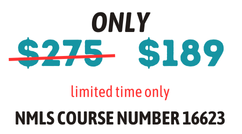
- 20-Hour NMLS Approved Course #16623
- BONUS Exam Prep Course Included FREE ($149 value)
- NMLS Hours Reporting Included Free ($30 value)
- Online Prerecorded Instructor Led Videos
- E-textbook Included
- Unlimited Phone & Email Support
- Fully Updated for 2026
- BBB Accredited

