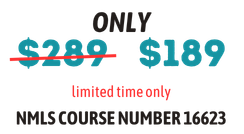


1. Complete NMLS-Approved Pre-Licensing Education (20-Hour SAFE Course)
The first and most critical step on your journey to becoming a mortgage loan officer (MLO) is completing the mandatory 20-hour SAFE Act pre-licensing education. This foundational course is a federal requirement established by the Nationwide Multi State Licensing System and Registry (NMLS) to ensure all MLOs have a comprehensive understanding of mortgage laws, ethics, and practices. Think of it as your official entry ticket into the mortgage industry.
The curriculum is specifically designed to prepare you for the real-world challenges and responsibilities of originating home loans. It provides a thorough grounding in key areas you’ll navigate daily, from federal lending laws to consumer protection standards. This isn’t just about checking a box; it’s about building the knowledge base that will protect you, your employer, and your clients. Successfully completing this course is a prerequisite for being eligible to take the National SAFE MLO Test.
What the 20-Hour SAFE Course Covers
The NMLS has a standardized curriculum that all approved education providers must follow. This ensures every aspiring MLO across the country receives the same core training. Your 20 hours will be broken down into specific subjects, giving you a well-rounded perspective on the industry.
Here’s a typical breakdown of the course content:
-
Federal Mortgage-Related Laws (3 Hours): A deep dive into crucial legislation like the Real Estate Settlement Procedures Act (RESPA), the Truth in Lending Act (TILA), and the TILA-RESPA Integrated Disclosure (TRID) rule.
-
Ethics and Fraud Prevention (3 Hours): This section covers ethical conduct, consumer protection, fair lending practices, and identifying potential fraud schemes.
-
Nontraditional Mortgage Products (2 Hours): An overview of various loan types beyond the standard 30-year fixed-rate mortgage, such as adjustable-rate mortgages (ARMs) and interest-only loans.
-
General Mortgage Origination Concepts (12 Hours): The largest portion of the course, this covers the entire loan process, from taking a loan application and calculating income to underwriting basics and closing procedures.
Why This Step Is First
Completing your pre-licensing education is the foundational pillar upon which the rest of your licensing process is built. You cannot apply for a license or even sit for the national exam until the NMLS has a record of your successful course completion from an approved provider like 24hourEDU (NMLS Provider ID: 1405107).
Pro Tip: Your course provider is responsible for reporting your completion to the NMLS. This process can take a few business days. Plan accordingly so you can apply for your license without any delays.
Many successful mortgage professionals come from related fields and leverage this education to pivot into a high-income career.
-
Career Changers: Real estate agents, property managers, and sales professionals often find their existing skills are a perfect match for the MLO role. Completing the 20-hour course is their first official step in this transition.
-
Administrative Professionals: Notaries and administrative assistants in real estate or finance offices use flexible online courses to gain their MLO credentials while still working, opening up new career paths with higher earning potential.
-
Out-of-State Professionals: Licensed MLOs looking to expand their business into new states can utilize state-specific course modules to efficiently meet the licensing requirements of each additional state.
Actionable Tips for Success
Making your way through the 20-hour course efficiently sets a positive tone for the rest of your licensing journey. Here’s how to make it a seamless experience:
-
Create a Study Schedule: Treat your course like a part-time job. Block out dedicated time on your calendar over 2-4 weeks to complete the material without cramming.
-
Leverage Flexibility: Use a provider that offers mobile access. This allows you to review video lessons or read the e-textbook during your commute or on a lunch break, making progress even on busy days.
-
Use Included Prep Materials: Don’t wait until after the course to start studying for the exam. Take advantage of the free exam prep package included with your 24hourEDU course to reinforce concepts as you learn them.
-
Take Detailed Notes: Pay close attention to key concepts like fair lending laws (ECOA, FHA), qualifying ratios, and required disclosures. These topics are heavily tested on the national exam.
-
Don’t Hesitate to Ask for Help: If you encounter a complex topic, reach out to the provider’s support team early. Clarifying confusion immediately will prevent it from becoming a bigger problem later.
Choosing the right education provider is a key decision. To explore your options further, check out our guide on how to choose the right mortgage licensing program for you.
2. Pass the NMLS National Exam (MLO License Exam)
After successfully completing your 20-hour pre-licensing education, the next major milestone is passing the NMLS National Exam. This standardized test is your opportunity to demonstrate the knowledge you’ve gained and prove you are ready for the responsibilities of a mortgage loan officer. Officially known as the SAFE MLO Test, it is a federal requirement that ensures all MLOs meet a consistent standard of competency, regardless of where they practice.
Passing this exam is a non-negotiable step in the licensing process. Administered at professional testing centers nationwide, it assesses your understanding of federal laws, ethical standards, and general mortgage origination practices. Think of it as the final checkpoint before you can move on to applying for your state license. Acing this test confirms you have the foundational knowledge needed to guide clients through one of the biggest financial decisions of their lives.

What the NMLS National Exam Covers
The NMLS exam is a comprehensive assessment designed to cover the core curriculum from your pre-licensing course. It consists of 120 multiple-choice questions, though only 110 are scored, and you are given 190 minutes to complete it. A passing score is 75% or higher. The questions are distributed across several key content areas, ensuring you have a balanced understanding of the MLO role.
Here is the official breakdown of the exam’s content:
-
Federal Mortgage-Related Laws (24%): This section tests your knowledge of major laws like RESPA, TILA, and TRID, focusing on compliance and consumer protection.
-
General Mortgage Knowledge (20%): Covers fundamental concepts such as loan types, mortgage terminology, and the various players involved in a transaction.
-
Mortgage Loan Origination Activities (27%): The largest portion of the exam, this focuses on the practical application of your knowledge, from taking a complete loan application to underwriting and closing.
-
Ethics (18%): This section evaluates your understanding of ethical behavior, fair lending practices, and how to handle potential conflicts of interest or fraud.
-
Uniform State Content (11%): While this is a national exam, this portion covers standardized state-level regulations and rules that are common across most states.
Why This Step Is Second
Passing the NMLS exam is the logical and required step after completing your education. Your course completion is valid for five years, giving you a window to pass the test. However, the information will be freshest in your mind immediately after finishing your course. You must have a passing score on record with the NMLS before you can submit an application for a state license, making this the critical bridge between education and application.
Pro Tip: You can schedule your exam through your NMLS account as soon as your education provider reports your course completion. The exam costs approximately $110 and is administered by Pearson VUE at their nationwide testing centers.
Many professionals find this step to be the most direct path to unlocking their new high-income career potential.
-
Career Changers: Finance and banking professionals often excel on this exam by applying their existing knowledge to the mortgage-specific concepts learned in the 20-hour course.
-
Real Estate Agents: By leveraging the free exam prep package from their course provider, agents can efficiently study and pass the test on their first attempt, adding a valuable MLO license to their credentials.
-
Out-of-State Professionals: MLOs relocating to a new state must pass the National Exam if they haven’t already. It is the universal key that opens the door to state-specific licensing across the country.
Actionable Tips for Success
Your approach to exam day can make all the difference. Proper preparation turns this challenge into a manageable step toward your goal.
-
Use Your Prep Materials: Dive into the free exam prep package included with your 24hourEDU course. Begin studying at least one week before your test date, focusing on practice questions and simulated exams.
-
Master Practice Exams: Take practice tests repeatedly until you are consistently scoring above 80%. This builds both knowledge and confidence, and it helps you identify any weak areas that need more review.
-
Plan Your Test Day: Schedule your exam for a time when you know you’ll be mentally sharp. Visit the Pearson VUE testing center location beforehand to map out your route and understand parking, eliminating any day-of stress.
-
Arrive Early and Prepared: Get a good night’s sleep before the exam; cramming is far less effective than rest. Arrive at the testing center at least 15-20 minutes early to allow for check-in procedures without feeling rushed.
-
Manage Your Time: During the exam, pace yourself. With 190 minutes for 120 questions, you have over a minute and a half per question. Read each one carefully, answer the ones you know first, and flag more difficult ones to return to later.
With the right preparation, you can approach exam day with confidence. For more study strategies, review our resources on how to ace the NMLS exam.
3. Obtain State-Specific Mortgage Loan Officer License
Passing the national exam is a monumental achievement, but the journey to becoming a fully authorized mortgage loan officer involves one more crucial step: securing your state-specific license. While the SAFE Act sets the federal foundation, each state has its own regulatory agency and a unique set of requirements you must meet to legally originate loans within its borders. This is where you transition from a candidate to a licensed professional, ready to serve clients.
The NMLS Registry is the central hub for managing this process. It’s where you will formally apply, submit documentation, and track your application status. This step ensures that every MLO is not only well-versed in federal law but also compliant with the specific consumer protection statutes, lending regulations, and ethical standards of the state where they plan to conduct business.
What State Licensing Involves
While the NMLS streamlines the application process, the actual requirements are dictated by individual state agencies, such as the Department of Banking or Division of Financial Institutions. These requirements are designed to protect consumers and maintain the integrity of the local mortgage market. Though they vary, most states will require you to complete several key tasks.
Here’s a breakdown of common state-specific licensing requirements:
-
State-Specific Education: Many states mandate additional hours of pre-licensing education focused on their unique laws and regulations. These modules supplement the 20-hour SAFE course.
-
Criminal Background Check (CBC): You must authorize the NMLS to conduct a federal background check through the FBI. This involves submitting fingerprints at an approved location.
-
Credit Report Authorization: A credit report will be pulled through the NMLS to demonstrate financial responsibility. This is a standard part of verifying your fitness for the role.
-
Application Submission and Fees: You will complete the MU4 Form (the Uniform Individual Mortgage License/Registration & Consent Form) on the NMLS website and pay the associated state licensing fees, which typically range from $200 to $500 per state.
Why This Step Is Essential
You cannot legally originate a mortgage loan without a valid, state-issued MLO license. This step is non-negotiable and serves as the final gateway to your career. It demonstrates to regulators, employers, and clients that you have met all federal and state standards of competence and character.
Pro Tip: Your NMLS ID number is your unique identifier for life. Once you submit your MU4 Form and obtain your first license, this number will follow you throughout your entire mortgage career, no matter which states you become licensed in or which company you work for.
Securing a state license opens up doors for a wide range of professionals ready to capitalize on the high-income potential of a mortgage career.
-
Multi-State Professionals: Licensed real estate agents and investors serving clients across state lines often obtain MLO licenses in multiple states. This allows them to provide a seamless, vertically integrated service to their existing client networks.
-
Career Changers: Property managers and other real estate professionals looking to pivot into origination can navigate their state’s licensing requirements while maintaining their current employment, setting themselves up for a smooth transition.
-
Aspiring Entrepreneurs: For those aiming to eventually open their own mortgage brokerage, understanding the state licensing process from the individual MLO perspective provides an invaluable foundation for future business compliance.
Actionable Tips for Success
Navigating the state application process can seem complex, but with careful planning, it can be a straightforward experience. Use these tips to ensure a smooth and efficient licensing journey:
-
Research Requirements Early: Before you even enroll in the 20-hour course, visit the NMLS Resource Center to look up your state’s specific requirements. This ensures you know exactly what to expect from day one.
-
Complete State Education Promptly: If your state requires additional education, complete your 24hourEDU state law module immediately after finishing the federal course. The information will be fresh, and you can get it reported to the NMLS quickly.
-
Gather Your Documents: Have all necessary documentation ready before you start the application, including your government-issued ID, Social Security card, and detailed address history.
-
Schedule Fingerprinting ASAP: Approved fingerprinting locations can have limited availability. Schedule your appointment as soon as you submit your MU4 application to avoid delays.
-
Respond to NMLS Requests: Keep a close eye on your email and your application status in the NMLS portal. If a state regulator requests additional information, respond immediately to keep your application moving forward.
-
Plan for Multiple States: If you intend to get licensed in several states, create a spreadsheet to track the requirements, fees, and deadlines for each one. This helps you manage the process strategically.
By methodically completing these state-specific requirements, you finalize your credentials and officially complete the path of how to become a mortgage loan officer. For more details on your state’s specific education needs, explore the state-specific MLO license requirements to find the course that’s right for you.
4. Secure Employment with a Licensed Mortgage Company or Broker
Passing the NMLS exam is a monumental achievement, but your journey isn’t quite over. The next essential step is to secure employment sponsorship from a licensed mortgage company. A mortgage loan officer (MLO) cannot legally originate loans as a free agent; you must be sponsored by an NMLS-registered entity like a mortgage brokerage, bank, or direct lender. This sponsorship is the mechanism that officially activates your license, allowing you to begin your career.
The sponsoring company provides the necessary compliance oversight, operational infrastructure, and legal supervision required to originate loans. For most aspiring MLOs, securing a job offer is a prerequisite for the state licensing authority to issue your official MLO license. This step bridges the gap between your education and your professional practice, connecting your hard-earned knowledge to a real-world career opportunity.
Why This Step Is Crucial
Your MLO license is essentially held in an inactive status until it is associated with a licensed employer in the NMLS system. Your employer’s NMLS ID must be linked to your personal NMLS ID, a process they will initiate upon hiring you. This relationship ensures that all your loan origination activities are conducted under the supervision of a regulated entity, protecting both consumers and the integrity of the financial system.
This sponsorship requirement is a key part of the SAFE Act’s framework. It ensures accountability and provides a clear chain of command for regulatory compliance. Think of your employer not just as a place to work but as your partner in maintaining a compliant and successful mortgage career.
Pro Tip: Begin your job search while you are still completing your pre-licensing course or studying for the exam. Many employers are willing to interview candidates who are in the final stages of the licensing process, and having a contingent job offer can significantly speed up your license activation once you pass the test.
Securing employment is the moment when your career path takes a tangible shape, opening doors for professionals from all backgrounds.
-
Recent Graduates: Individuals who have just passed the NMLS exam often find success with larger institutions like Wells Fargo or Rocket Mortgage, which have structured training programs for new loan officers.
-
Career Changers: Finance professionals or real estate agents often leverage their existing networks to secure positions at boutique mortgage brokers where their experience is highly valued.
-
Remote Work Seekers: Aspiring MLOs prioritizing a work-from-home lifestyle can target tech-forward companies like Better.com or LoanDepot that have robust remote work infrastructures.
Actionable Tips for Success
Finding the right employer is just as important as passing the exam. A good company will provide the support, training, and resources you need to thrive.
-
Target Companies Strategically: Research potential employers to find a fit for your career goals. Do you prefer the stability and resources of a large national bank or the entrepreneurial spirit and flexibility of a local mortgage broker?
-
Highlight Relevant Skills: Tailor your resume to showcase skills in sales, customer service, financial analysis, and communication. Even if you don’t have direct mortgage experience, these transferable skills are highly sought after.
-
Network Proactively: Connect with hiring managers and current MLOs on LinkedIn. Join mortgage-focused professional groups online to ask questions and learn about unadvertised job openings.
-
Prepare for the Interview: Be ready to discuss why you want to be an MLO, how you plan to build your client base, and your understanding of the current market. As a mortgage loan officer, you’ll be instrumental in guiding clients through various financial products, including specific needs such as how to finance rental property.
-
Understand Compensation: MLO compensation is often commission-based. During interviews, ask detailed questions about the commission structure, expected ramp-up time, and any available base salary or draw during your initial training period.
Finding the right fit is key to a long and prosperous career. To get a head start, explore our detailed resource on how to land a job as a mortgage broker: a step-by-step guide.
5. Maintain Compliance Through Continuing Education and License Renewal
Earning your mortgage loan officer license is a significant achievement, but it’s the beginning, not the end, of your professional obligations. The final step in our guide on how to become a mortgage loan officer is an ongoing one: maintaining compliance. Your license is not permanent and requires active upkeep through annual continuing education (CE) and timely license renewals to remain in good standing with state and federal regulators. This commitment ensures you stay current, competent, and compliant throughout your career.
Think of continuing education as your annual professional tune-up. The mortgage industry is dynamic, with regulations, products, and market conditions constantly evolving. CE keeps your knowledge sharp and ensures you are providing the most accurate and ethical service to your clients. The NMLS requires MLOs to complete a specific number of CE hours each year, and failure to do so will result in an inactive license, preventing you from originating loans.
What Continuing Education (CE) Involves
Each year, you must complete a minimum of 8 hours of NMLS-approved continuing education to be eligible for license renewal. Some states require additional state-specific hours, so it’s crucial to know the rules for every state in which you are licensed. The NMLS has a standardized core curriculum that all providers must adhere to.
Here’s the standard breakdown of the 8-hour NMLS CE course content:
-
Federal Mortgage-Related Laws (3 Hours): An update on changes and key reminders for laws like TILA, RESPA, and TRID.
-
Ethics, Fraud, and Consumer Protection (2 Hours): Reinforces ethical conduct and covers the latest in fraud prevention and fair lending practices.
-
Nontraditional Mortgage Products (2 Hours): A review of loan products outside the conventional 30-year fixed mortgage.
-
Elective (1 Hour): A topic that varies but often covers relevant industry trends, such as cybersecurity or market analysis.
Why This Step Is Crucial for Your Career
Maintaining your license is non-negotiable for a long and successful MLO career. The NMLS renewal period runs from November 1st to December 31st each year. If you fail to complete your CE and submit your renewal application by the deadline, your license will become inactive on January 1st. This means you legally cannot originate loans, which directly impacts your income and professional reputation.
Pro Tip: Don’t wait until the last minute. The NMLS experiences high volumes during the renewal period, and course completion reporting can take a few days. Aim to have your CE finished by early December to avoid any risk of your license expiring.
Staying compliant is a hallmark of a true professional and builds trust with clients and employers.
-
Dedicated Professionals: Top-producing loan officers view CE not as a chore but as an opportunity. They use courses on fair lending and ethics to refine their practices and better serve their communities.
-
Multi-State MLOs: Ambitious MLOs licensed in multiple states use providers like 24hourEDU to bundle their CE requirements, efficiently knocking out all their state-specific and federal hours in one streamlined package.
-
Brokerage Owners: Responsible brokers ensure their entire team is compliant by scheduling group training or using tracking systems. This protects the brokerage’s license and reputation.
Actionable Tips for Success
Seamlessly managing your annual compliance requirements ensures you can focus on what you do best: helping clients achieve homeownership. Here’s how to stay on track:
-
Set Calendar Reminders: As soon as you renew your license, set a reminder for the following September to start planning your CE. This gives you plenty of time before the year-end rush.
-
Choose Relevant Courses: Select CE courses that align with your professional goals. If you want to specialize in a certain loan type, find electives that deepen your knowledge in that area.
-
Maintain Organized Records: Keep digital or physical copies of your course completion certificates. While your provider reports to the NMLS, having your own records is a good business practice.
-
Budget for Renewals: Factor in the annual costs for CE courses and NMLS/state renewal fees into your business budget so there are no surprises at the end of the year.
-
Leverage the NMLS Registry: Regularly log in to your NMLS account to check your CE records and renewal status. It’s your single source of truth for compliance.
Staying ahead of your educational requirements is simple with the right partner. To see how you can easily fulfill your annual obligations, explore our comprehensive mortgage continuing education courses designed for busy professionals.
5-Step Mortgage Loan Officer Path Comparison
| Item | 🔄 Complexity | Resource Requirements | ⚡ Speed/Efficiency | 📊 Expected Outcomes | ⭐ Key Advantages |
|---|---|---|---|---|---|
| Complete NMLS-Approved Pre-Licensing Education (20-Hour SAFE Course) | Moderate — structured curriculum, flexible online learning | 20 instructional hours, reliable internet/device, ~$189, e-textbook | Fast completion possible (2–4 weeks) with disciplined study | NMLS-compliant completion certificate; foundational mortgage knowledge | Comprehensive NMLS-aligned curriculum, state modules included, mobile access |
| Pass the NMLS National Exam (MLO License Exam) | High — high-stakes standardized exam requiring mastery of federal topics | Exam fee (~$110), practice exams, focused study time, Pearson VUE test center | Single 2–3 hour session; immediate result but prep time intensive | National exam pass (valid 1 year); eligibility to pursue state licenses | Uniform national standard; widely recognized proof of competence |
| Obtain State-Specific Mortgage Loan Officer License | Variable — state-dependent steps (fingerprints, background, possible state exam) | Application fees ($200–$500+/state), fingerprinting, background/credit checks, documents, time (2–6 weeks) | Slower due to processing and scheduling; multi-state adds time/cost | Active state license(s) authorizing loan origination in jurisdiction(s) | Legal authority to originate, added credibility, centralized NMLS tracking |
| Secure Employment with a Licensed Mortgage Company or Broker | Moderate — job search plus employer sponsorship and onboarding | Resume, networking, interviews; employer sponsorship required; possible training | Variable — can be quick if hired; sponsorship needed to activate license | Sponsorship for license activation; access to origination systems and clients | Provides compliance oversight, training, systems access and earning pathways |
| Maintain Compliance Through Continuing Education and License Renewal | Ongoing — recurrent CE and administrative requirements, state-specific | Annual/biennial CE (8–16 hrs), renewal fees ($50–$200), record-keeping | Recurring time commitment; efficient if scheduled proactively | Maintained active license, current regulatory knowledge, continued eligibility | Protects licensure and reputation; ensures up-to-date compliance and skills |
Ready to Take the First Step?
You have officially navigated the comprehensive road map detailing how to become a mortgage loan officer in five steps. This isn’t just a career change; it’s a strategic move toward a profession defined by flexibility, significant income potential, and the profound satisfaction of helping people achieve their homeownership dreams. We’ve demystified the process, transforming what might seem like a complex journey into a clear, manageable, and exciting path forward.
From completing your foundational NMLS-approved 20-hour SAFE course to conquering the national exam, every step is a deliberate building block. Securing your state-specific license, aligning with the right employer, and committing to ongoing education are the pillars that will support a long and prosperous career. The beauty of this profession lies in its structure: with the right guidance and resources, the barriers to entry are surprisingly low, but the ceiling for success is incredibly high.
Your Blueprint for a New Beginning
Let’s distill the core takeaways from this guide into your personal action plan. This is where the blueprint becomes your reality.
-
Foundation First: Your journey begins and is anchored by quality education. The 20-hour SAFE course is not just a regulatory hurdle; it’s your introduction to the principles, ethics, and laws that govern the mortgage industry. Mastering this material with an effective, NMLS-approved provider like 24hourEDU (NMLS Provider ID: 1405107) is non-negotiable.
-
Preparation is Power: The NMLS National Exam is the gatekeeper to your license. Walking in unprepared is a common but costly mistake. The key takeaway is to integrate exam preparation directly into your learning process. This is why our online course includes a comprehensive exam prep package at no additional cost, ensuring you study smarter, not just harder.
-
Localization is Key: A national license doesn’t exist. Your authority to originate loans is granted state by state. Remember to meticulously research and fulfill the specific requirements for every state where you plan to operate. This attention to detail early on prevents delays and compliance issues later.
-
Your Sponsor is Your Springboard: The company you join will significantly shape your early career. Look for a brokerage or lender that offers robust training, mentorship, lead generation support, and a positive culture. Your sponsor is more than an employer; they are your partner in success.
-
Learning Never Stops: The mortgage industry is dynamic. Regulations change, market conditions shift, and new products emerge. Committing to annual Continuing Education (CE) is not just about maintaining your license; it’s about maintaining your competitive edge and serving your clients with the most current and accurate advice.
Key Insight: The most successful Mortgage Loan Officers view these five steps not as a checklist to be completed once, but as a continuous cycle of learning, compliance, and growth. Your commitment to excellence at each stage directly correlates to your long-term earning potential and career satisfaction.
The path is clear. The opportunity to build a business on your own terms, potentially from the comfort of your home office, is within reach. You can dictate your schedule, control your income through commissions, and become a trusted financial expert in your community. The steps we’ve outlined are your proven guide to making that vision a reality. Now, the only remaining variable is your decision to begin.
Ready to launch your high-income mortgage career the easy way? 24hourEDU provides the NMLS-approved online education and free exam prep you need to complete the first crucial steps of your journey. Enroll in our 20-hour SAFE course today at 24hourEDU and start building your future.