

A borrower is ready to close, but the final figures change after the initial review. The APR may no longer be accurate, a debt may need clarification, or an income document may not support the file as cleanly as expected. For the Mortgage Loan Originator, the pressure is real: the client wants certainty, the settlement team needs answers, and the closing schedule depends on compliant timing.
That's why mortgage consumer protection laws matter in daily production. They aren't paperwork exercises disconnected from the borrower's experience. They determine what you disclose, what you verify, how you communicate a credit decision, and whether a loan can move forward safely. The strongest MLOs treat compliance as part of client service, not as an obstacle added after the loan is structured.
Why Mortgage Consumer Protection Laws Matter for Your Career
You're helping a first-time buyer review a mortgage contract. The buyer has saved for years, arranged inspections, and made plans around a closing date. A late disclosure or incomplete verification can turn that positive experience into confusion, delays, and a file that requires urgent escalation.

The practical purpose of consumer protection is straightforward. Borrowers need meaningful information about loan terms, costs, risks, and available remedies. Lenders and originators need consistent rules for evaluating applications and documenting decisions. When both sides understand the process, the MLO can explain what happens next instead of making promises the file can't support.
Compliance affects the client relationship
A borrower usually doesn't measure your professionalism by how quickly you produce a preapproval. They notice whether you explain a changed payment, answer questions about requested documents, and communicate a deadline before it becomes a crisis. Clear explanations build trust because the client can see the reason behind each step.
The reverse is also true. If an originator treats disclosure timing as an administrative detail, the borrower may receive incomplete information or lose an opportunity to review the transaction properly. That creates operational risk for the lender and reputational risk for the MLO.
Practical rule: If you can't explain why a document is needed, when it is due, and what could change, your workflow isn't ready for a client-facing conversation.
Your license depends on repeatable habits
Mortgage consumer protection laws touch the entire loan lifecycle. You must work with accurate borrower information, protect the integrity of credit data, follow disclosure procedures, and escalate issues when the file no longer matches its original assumptions. A strong process reduces improvisation, which is where many avoidable errors begin.
This knowledge also creates a career advantage. An MLO who understands the rules can communicate with borrowers, processors, underwriters, and settlement partners with greater confidence. The result is a more sustainable practice, whether you work from an office, operate through a mortgage broker, or support borrowers through a remote workflow.
Understanding Key Federal Mortgage Laws
Federal mortgage laws operate as a connected workflow. The Truth in Lending Act, or TILA, governs disclosure of credit terms and costs. The settlement-procedures law, known as RESPA, addresses settlement transparency and servicing responsibilities. For an MLO, these rules affect how loan terms are presented, reviewed, and documented before and during the transaction.
The Dodd-Frank Wall Street Reform and Consumer Protection Act was signed on July 21, 2010. It required the CFPB to combine TILA and RESPA mortgage disclosures into an integrated process. The CFPB timeline for the integrated disclosure process states that the resulting mortgage disclosure forms became effective for applications received starting August 1, 2015. It also records 46 final rules promulgated by the CFPB between 2011 and 2024, with cost estimates for 18, or 40%, of those rules.
The laws solve different problems
The Equal Credit Opportunity Act, or ECOA, requires fair treatment in credit decisions. In daily origination work, that means applying documented criteria consistently and avoiding assumptions about a borrower that are not supported by relevant financial information. Notes, borrower communications, and decision rationale should support the same explanation if a processor, underwriter, auditor, or regulator reviews the file.
The Fair Credit Reporting Act, or FCRA, governs the use of consumer credit information. MLOs need controlled access to credit reports, careful handling of disputed information, and accurate communication when credit data affects the loan. A credit report is evidence used in the file, not an unquestionable summary of the borrower. A review of fair lending practices can help connect these requirements with consistent borrower treatment and documentation.
HOEPA added special protections
The Home Ownership and Equity Protection Act, or HOEPA, was passed by Congress in 1994 to curb unfair, deceptive, or abusive practices in residential mortgage refinancing and home-improvement lending. It required additional disclosures, prohibited certain risky loan terms, and gave borrowers a 3-day waiting period after receiving the disclosures, creating a total of 6 days to review or withdraw from the transaction.
Dodd-Frank later expanded HOEPA to cover home-purchase loans, and rule-writing authority moved to the CFPB. The Federal Reserve History account of HOEPA explains that development. For licensing preparation and daily file management, connect each statute to a specific action: present terms accurately, apply criteria consistently, handle credit data carefully, and identify when enhanced protections or review periods apply.
Practical Compliance Steps for Mortgage Loan Originators
A borrower's income changes after application, a liability appears on the credit report, and a fee changes shortly before closing. Each event can affect the file, the disclosures, or the loan decision. A workable compliance process catches those changes before they become closing delays, repurchase concerns, or regulator questions.
Start with a reliable file record
Record application facts as they become known, then retain the documents that support them. Another trained professional should be able to understand:
- Borrower information: Identify the income, assets, employment details, debts, and obligations used in the loan evaluation.
- Communication history: Keep useful records of requests, explanations, changes, and borrower responses.
- Decision rationale: Document why the file proceeded, changed structure, or required additional review.
- Disclosure status: Track delivery, receipt, revisions, and deadlines instead of relying on memory or scattered email threads.
A file record serves a practical purpose. It shows that the loan was handled through a consistent process and that material changes received appropriate attention. It also gives the next person a clear basis for checking your work.
Verify before you rely
The CFPB's Ability-to-Repay and Qualified Mortgage rule requires a creditor to make a reasonable, good-faith determination that the borrower can repay the residential mortgage loan according to its terms. Loans that meet QM criteria receive certain liability protections, so underwriting quality can affect repurchase, litigation, and enforcement exposure. The rule requires lenders to verify and document income, assets, debt obligations, and relevant risk factors before closing. Errors in debt-to-income calculations or in the treatment of unstable income can undermine QM status and increase compliance risk over the life of the loan, as explained in the CFPB's ATR/QM rule materials.
Create a pause point before submission. Confirm that the income calculation has adequate support, every known obligation is included, and any change in the borrower's circumstances has been reviewed. If the documentation does not support the calculation, escalate the issue before the file reaches the next approval stage.
Before submission: Confirm the facts, confirm the supporting documents, and confirm that the loan structure still reflects the borrower's actual ability to repay.
Protect the closing timeline
TRID requires the borrower to receive the initial Closing Disclosure within the required period before consummation. If the APR becomes inaccurate, a corrected Closing Disclosure may trigger another waiting period before consummation. This timing makes late adjustments a workflow issue, not a minor administrative edit.
A revised fee, loan term, or interest rate can affect the closing schedule. Send the change to the disclosure team promptly, ask whether a new waiting period applies, explain the consequence to the borrower, and align the file record with the final figures. Clear escalation protects the borrower's timing and gives the lender evidence that the change was handled deliberately.
How ECOA and FCRA Work Together in Your Workflows
A borrower disputes a collection account while the loan is already in underwriting. The file now requires two kinds of control: accurate handling of credit information under FCRA and consistent treatment of the applicant under ECOA. Managing only one side leaves a compliance gap.
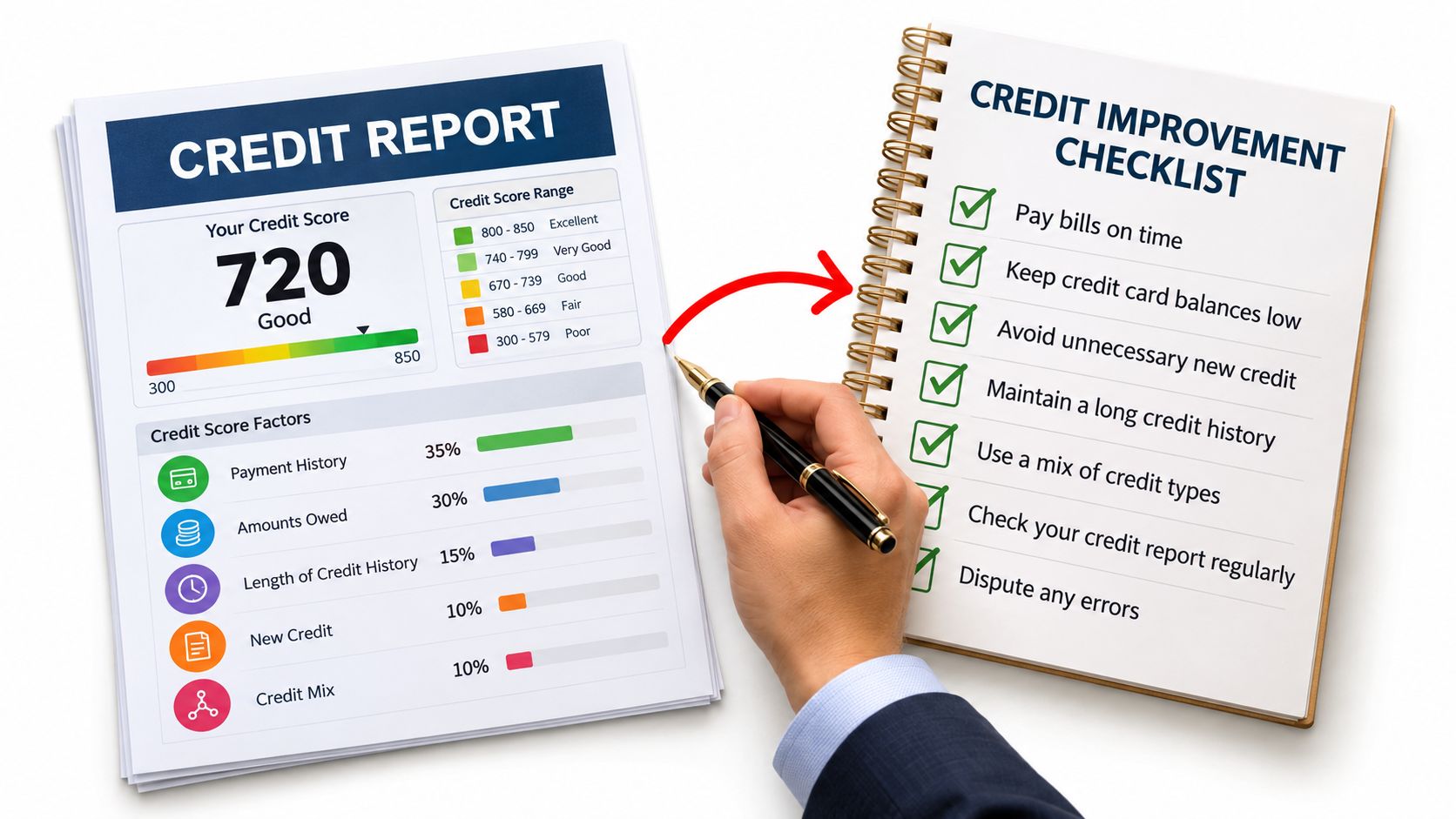
FCRA governs how consumer credit information is obtained, reviewed, and challenged. ECOA governs fair treatment throughout the credit decision, including how information is evaluated and how the result is explained. A credit report is evidence, not the decision itself. Review it alongside income, assets, liabilities, employment information, and the loan program's requirements.
Keep credit information inside a controlled process
When a borrower questions an account, balance, or payment history, record the disputed item separately from the underwriting decision. Identify the documents the borrower supplied, route the issue through the lender's established process, and document how the file was evaluated. Do not promise that a correction will lead to approval. Explain the review steps and the possible effect on the file without predicting the result.
The FCRA dispute process offers borrower-facing background. In practice, the MLO must ensure that credit-related statements match the file and do not encourage the borrower to provide inaccurate information. If the report changes, update the responsible parties and confirm whether the revised information affects underwriting, disclosures, or the loan program.
Apply the ATR/QM factors consistently
Under ATR/QM, lenders must verify eight underwriting factors before making a residential mortgage loan. The factors cover income or assets, employment status, payments on existing liens, mortgage-related obligations, debt-to-income ratio or residual income, credit history, and the payment on any simultaneous loan. For a general QM safe harbor, APR must not exceed APOR by more than 1.5 percentage points for a first lien or 3.5 percentage points for a junior lien, as summarized in the Congressional Research Service's ATR/QM overview.
Use those factors as file-control checkpoints, not as a script for a single borrower conversation. Ask about obligations that may not appear clearly in the report, identify assumptions that affect approval, and record the evidence supporting the final treatment. Consistent documentation helps the lender show that similar applicants were evaluated under the same rules and gives the MLO a defensible record when a borrower questions the decision.
Comparing HOEPA Protections and SAFE Act Requirements
A borrower requests a high-cost refinance, and the disclosures show terms that need closer review. The MLO must determine whether the transaction triggers added borrower protections, confirm the timing of required disclosures, and document the decision. At the same time, the originator must remain properly educated, licensed, and registered. These obligations affect both the loan file and the person handling it.
| Area | HOEPA | SAFE Act |
|---|---|---|
| Primary focus | Borrower protections tied to certain mortgage transactions | Qualification and accountability for mortgage loan originators |
| Daily MLO impact | Recognize when heightened disclosure and term restrictions may apply | Complete education, meet licensing requirements, and maintain professional standards |
| Main risk of poor execution | The borrower may not receive required information or protections | The originator may fail to meet licensing or education obligations |
| Best operational response | Escalate unusual terms and confirm disclosure treatment | Track education, testing, registration, and state requirements |
HOEPA was enacted by Congress in 1994 for residential mortgage refinancing and home-improvement lending. It required extra disclosures, restricted certain risky loan terms, and provided a 3-day waiting period after disclosures, resulting in 6 days for review or withdrawal. Dodd-Frank later expanded its reach to home-purchase loans. An MLO should screen for a potential high-cost transaction early, then confirm the applicable disclosures and terms before the file reaches closing.
SAFE education builds the foundation
State-licensed mortgage loan originators must complete 20 hours of NMLS-approved pre-licensure education. That includes 3 hours of federal law and regulations, 3 hours of ethics covering fraud, consumer protection, and fair lending, 2 hours on nontraditional mortgage products, and 12 hours of mortgage origination instruction, according to the NMLS SAFE Act education requirements.
Licensing preparation takes time, but it gives new MLOs a defined baseline before they handle borrowers independently. Use the SAFE Act licensing requirements to confirm the steps for entering the profession, then connect education to daily file review. Track renewal obligations, testing, registration, and state requirements in the same workflow as application and disclosure tasks. That approach reduces the risk that a compliant loan file is handled by an originator who is not authorized or current.
Enforcement Mechanisms and Penalties You Should Know
A disclosure error discovered before closing may require corrected documents, borrower communication, and a revised timeline. A weak underwriting record can raise questions long after origination. Repeated process failures can expose the lender and MLO to regulatory scrutiny, borrower complaints, remediation costs, and possible enforcement action.
The practical response is a control system that makes errors visible early. Identify where a file can fail, assign ownership, and set an escalation rule before the issue reaches closing. Document the decision, the correction, and who approved it.
Watch the points where obligations change
Servicing shows why compliance continues after the loan closes. RESPA and TILA servicing rules address escrow accounts, forced-place insurance, error resolution, information requests, early intervention, loss mitigation, payment processing, periodic statements, and continuity of contact. Servicers need event-driven controls and audited timelines because one missed obligation can create a statutory issue even when origination was compliant, as outlined in the CFPB mortgage servicing resources.
For an originator, the handoff creates a clear risk. Do not promise a servicing outcome controlled by another department. Give the borrower accurate contact information, record the transfer, and explain what happens after closing. Keep origination responsibilities separate from servicing responsibilities.
Federal and state oversight both matter
Dodd-Frank established the modern integrated disclosure process, and the CFPB's rulemaking record shows how regulatory requirements develop over time. Between 2011 and 2024, the CFPB promulgated 46 final rules, with cost estimates for 18, or 40%, of them. That history makes old, undocumented habits unreliable. Review the CFPB's rulemaking timeline when a rule change affects disclosures, products, or file procedures.
State attorneys general can act under consumer protection laws, while state mortgage requirements may add duties beyond the federal baseline. An MLO working across jurisdictions should know which agency issues bulletins, which compliance team owns updates, and when a question requires legal advice. A state-specific issue should be escalated before the application or disclosure process proceeds.
Borrowers also need accurate information when credit problems affect a loan. Direct them to resources that help them understand your credit repair rights, without promising a particular credit outcome, approval result, or change to the underwriting decision.
Resources for Staying Current With Regulatory Updates
A rate lock is scheduled, disclosures are ready, and then a regulator issues new guidance that affects the file. An MLO who relies on memory can miss a required change at the point where timing and borrower communication matter most. A repeatable review system keeps updates connected to daily origination work.
Build a weekly review habit
Start with official sources. The CFPB's mortgage resources cover disclosure, servicing, and ability-to-repay requirements. Check your state regulator and NMLS account for licensing notices and jurisdiction-specific duties. Trade associations and compliance publications can flag topics for discussion with your lender, compliance team, or counsel, but the controlling rule and official guidance should determine the final procedure.
Set a recurring review time and maintain a short change log. Record the affected product, jurisdiction, form, process owner, and effective date. Then identify the workflow impact: borrower communications, document collection, underwriting review, pricing, or closing. Assign an owner and a completion date so the update does not remain an unread email.
Use a file-level update checklist
Apply each relevant update to active files. For disclosure timing, review the CFPB's TILA-RESPA Integrated Disclosure guidance when a change could affect the Closing Disclosure or the borrower's review period. The initial Closing Disclosure must reach the borrower at least 3 business days before consummation, and certain corrected disclosures can create another review period when the APR becomes inaccurate.
Before treating a closing date as secure, ask:
- What changed: Did the rate, loan amount, term, fees, or borrower information change?
- Who reviewed it: Did the appropriate disclosure, underwriting, and compliance personnel evaluate the change?
- What timing applies: Does the borrower need another review period?
- What was communicated: Do the file notes and borrower message state the same outcome?
Use online NMLS-approved education to reinforce federal law, ethics, fraud prevention, fair lending, and state requirements. 24hourEDU offers NMLS-approved online SAFE MLO education with exam preparation included at no additional charge. Treat formal education as the foundation, then use official updates and internal procedures to keep decisions current and documented.
Building a Compliance Mindset for Career Success
A borrower calls after a payment changes just before closing. An MLO with a compliance mindset can explain what changed, why it matters, and what choices remain, rather than sending the borrower back to technical disclosure language. Compliance becomes a career asset when it guides the application, loan structure, document requests, condition explanations, and closing preparation.
Use consumer protection principles in each borrower conversation. Explain what a requested document verifies and how it supports the ability-to-repay analysis. If a disclosure changes, describe the change and its timing clearly. That approach protects the borrower and gives the file a defensible record.
Turn rules into operating standards
A practical MLO standard includes:
- Use facts, not assumptions. Base the file on documented income, assets, liabilities, employment, and credit information.
- Explain material changes promptly. Tell the borrower about a new payment or fee before it becomes a surprise.
- Escalate uncertainty. Ask compliance, underwriting, or counsel when an issue exceeds your authority.
- Protect consistency. Apply the same documented process to comparable borrowers and exclude irrelevant personal judgments.
- Keep learning connected to production. Review a rule alongside the file type where it will affect your next decision.
Compliance also supports a sustainable career. Mortgage Loan Originators, Mortgage Brokers, and Mortgage Loan Officers can build practices around relationship management, organized follow-up, and commission-based production. Depending on the employer and business model, technology may support work from home and flexible scheduling. Those benefits depend on disciplined communication, accurate records, and reliable follow-through.
The professional advantage: Borrowers remember the originator who made a complex process understandable and handled difficult changes with candor.
Your license is the starting point. Long-term success depends on making accurate disclosures, fair treatment, careful verification, and timely escalation part of the daily workflow. That reputation can generate repeat business and referrals, while reducing the risk that speed without control damages a promising mortgage career.
If you are preparing for an MLO career, 24hourEDU offers an NMLS-approved online 20-hour SAFE course with exam preparation included. The program covers federal law, ethics, consumer protection, and state requirements in one structured course. Use it to begin licensing education and establish a compliance foundation for mortgage work.